Essential Swimming Skills Guide: Complete Beginner Techniques to Learn Swimming Safely and Build Strong Water Confidence


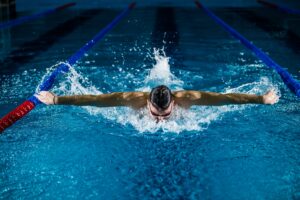
Learning basic swimming skills is an essential life ability that combines safety, fitness, and confidence in water environments. Whether someone is entering a pool for the first time or trying to improve existing abilities, understanding the fundamentals of swimming is the foundation for long-term success. Swimming is not just physical movement; it involves coordination, breathing control, balance, and mental calmness.
For beginners who want to learn swimming effectively, developing core techniques such as floating, breathing rhythm, kicking, and arm coordination is extremely important. These skills work together to create smooth movement in water and reduce exhaustion. With consistent practice and proper guidance, anyone can build strong water safety skills, overcome fear, and gradually become a confident swimmer in different aquatic conditions.
Breathing Control in Water
Breathing control is one of the most important skills in swimming because it directly affects comfort, endurance, and performance. Beginners often find it difficult to manage breathing under water, which can lead to tension and poor coordination. Learning to exhale steadily underwater and inhale quickly when turning the head above water helps maintain a smooth rhythm.
In addition, proper breathing techniques allow swimmers to stay calm and focused. When breathing becomes controlled, the body naturally relaxes, making movement easier and more efficient. As swimmers progress, this skill becomes automatic, supporting longer swimming sessions and smoother transitions in strokes like freestyle swimming basics and backstroke techniques.
Body Position and Floating Technique
Maintaining correct body position in water is essential for reducing drag and improving movement efficiency. A streamlined horizontal position allows swimmers to glide more easily without unnecessary resistance. Many beginners make the mistake of lifting their head too high or letting their legs sink, which disrupts balance and increases energy use.
Floating is closely related to body position and is one of the first confidence-building skills in swimming. Practicing both front float and back float helps beginners understand buoyancy and how the body naturally stays supported by water. As swimmers become more comfortable, floating becomes easier, allowing them to relax and focus on learning other essential techniques.
Kicking Techniques for Propulsion
Kicking provides the main driving force that moves swimmers forward, especially in beginner strokes like freestyle and backstroke. A steady flutter kick helps maintain momentum while also supporting balance in the water. Beginners often overbend their knees, which creates resistance and slows movement.
Moreover, effective kicking comes from the hips rather than the knees. When swimmers learn to generate power from the core and upper legs, their movement becomes more efficient and less tiring. Regular practice not only improves speed but also strengthens leg muscles, increases stamina, and builds better overall control in the water.
Arm Movements and Coordination
Arm movements play a major role in guiding direction and maintaining forward motion during swimming. Proper strokes should be smooth, rhythmic, and coordinated with breathing and kicking. Beginners often struggle with timing, but breaking movements into smaller steps can make learning easier and more manageable.
As coordination improves, swimmers develop better rhythm and efficiency. Strong arm techniques help reduce energy loss and allow swimmers to travel longer distances with less fatigue. This becomes especially important when practicing structured strokes such as freestyle, backstroke, and beginner-level breaststroke techniques.
Water Safety and Confidence Building
Water safety is one of the most critical aspects of swimming, especially for beginners. Understanding pool rules, recognizing personal limits, and learning how to stay calm in different water conditions are essential skills. Using flotation aids during early practice can help beginners feel secure while they develop strength and coordination.
Confidence in the water grows through gradual exposure and consistent practice. As swimmers become more familiar with movement, breathing, and floating, their fear reduces significantly. This increased confidence allows them to react better in unexpected situations, making swimming a safer and more enjoyable experience overall.
Developing Coordination Between Skills
One of the biggest challenges for beginners is combining all swimming skills into one smooth motion. Breathing, kicking, arm movement, and body positioning must work together in harmony. At first, this may feel overwhelming, but breaking practice into small segments helps build coordination step by step.
Over time, muscle memory develops, making movements more natural and automatic. When coordination improves, swimmers can focus less on individual actions and more on rhythm and efficiency. This stage marks a major improvement in overall swimming ability and confidence.
Importance of Practice and Consistency
Regular practice is essential for mastering swimming skills. Even short, consistent training sessions are more effective than irregular long ones. Repetition helps the body adapt to water movement and improves technique naturally over time.
Additionally, consistency builds both physical endurance and mental comfort. The more time swimmers spend in the water, the more familiar and confident they become. This steady improvement helps transform basic skills into advanced swimming abilities.
Overcoming Fear of Water
Fear of water is common among beginners, but it can be reduced through gradual exposure and structured learning. Starting in shallow water, practicing floating, and using support tools can help ease anxiety. Breathing exercises also play an important role in calming the mind.
As confidence builds, swimmers begin to trust their abilities and the water environment. This mental shift is crucial for progress, as fear often limits movement and slows learning. Overcoming fear is therefore a key milestone in developing strong swimming skills.
Building Strength and Endurance
Swimming requires both muscular strength and cardiovascular endurance. Basic skills like kicking and arm movement naturally build strength over time. As beginners progress, they develop better stamina, allowing them to swim longer distances without fatigue.
In addition, swimming is a full-body workout that improves flexibility, posture, and overall fitness. With regular training, beginners not only become better swimmers but also gain significant health benefits that support long-term physical well-being.
Mastering Essential Swimming Skills for Lifelong Safety and Confidence
Mastering basic swimming skills is a gradual but rewarding process that builds safety, confidence, and physical fitness. Each element—breathing control, body position, kicking, arm coordination, and water safety—plays a crucial role in becoming a capable swimmer. Together, these fundamentals form the backbone of all swimming techniques and help beginners transition smoothly into more advanced levels.
Ultimately, anyone who wants to learn swimming confidently must focus on patience, consistency, and proper technique. With regular practice, swimming transforms from a challenging activity into a natural and enjoyable skill. By developing strong water safety skills and mastering essential movements, swimmers gain lifelong confidence and the ability to move safely and efficiently in any aquatic environment.