Modern Olympic Games: How Pierre de Coubertin Revived the Tradition


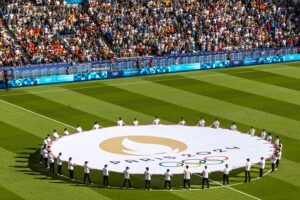
The Olympic Games are a global symbol of sport, unity, and excellence. Their origins date back to ancient Greece, but the Games disappeared for centuries. By the late 19th century, there was little hope that the tradition would return. That changed thanks to Pierre de Coubertin, a French educator and visionary. He revived the Olympics, creating a modern movement that still inspires the world today.
De Coubertin believed that sport could improve society. He saw physical education as essential for youth development. Beyond health, he thought sports could teach values like discipline, respect, and teamwork. Coubertin also saw international competition as a way to promote peace. He wanted athletes from different nations to compete fairly and respectfully, fostering understanding and friendship across borders.
The Vision for a Modern Olympics
Coubertin’s vision extended beyond athletics. He imagined an event that would unite nations in peaceful competition. He wanted the Games to be inclusive, fair, and well-organized. Coubertin studied ancient Olympic traditions and drew inspiration from them. He also explored modern educational systems and sporting practices to shape his ideas. His goal was not just a sporting event, but a cultural and moral festival.
The modern Olympics would celebrate both physical achievement and human spirit. Coubertin emphasized amateurism, believing that sports should be about effort, honor, and personal growth, not money. He insisted that athletes compete for pride and national representation rather than financial reward. This approach set a foundation for the Games’ values and integrity, which still guide the Olympics today.
Bringing the Olympics Back
In 1894, Coubertin organized an international congress in Paris to discuss the revival of the Games. He gathered educators, athletes, and sports enthusiasts from across Europe. The response was enthusiastic, and the International Olympic Committee was formed. The first modern Olympics were planned for Athens in 1896, directly connecting the new Games to their ancient roots.
Coubertin faced many challenges in organizing the first Games. Funding, logistics, and international coordination were major obstacles. Despite this, he persevered and attracted athletes from fourteen countries. The event was a success, proving that the Olympic spirit could thrive in the modern era. It established a blueprint for future Games and demonstrated Coubertin’s vision in action.
Early Challenges and Successes
The first modern Olympics were modest compared to today’s spectacles. Events included athletics, gymnastics, cycling, swimming, and fencing. Even with limited resources, the Games captured public imagination. Athletes displayed skill, determination, and sportsmanship. The positive reception encouraged countries to participate in future editions.
Coubertin understood the importance of storytelling. He emphasized the symbolic aspects of the Games, from the opening ceremony to national representation. The media began covering events, helping the Olympic spirit reach a global audience. This early success set the stage for the Olympics to grow into a worldwide celebration of sport and culture.
Expanding the Olympic Movement
Following the initial Games, Coubertin worked to expand participation. He encouraged nations to send athletes and promoted international collaboration. The Games slowly grew in size and scope, including new sports and more competitors. Coubertin’s vision of a peaceful, global sporting festival was taking shape.
He also worked to refine Olympic rules and standards. Uniformity, fair competition, and clear regulations became central to the Games. Coubertin wanted athletes and countries to trust the process. His efforts helped ensure that the Olympics would be respected and taken seriously. This foundation enabled the Games to evolve into the highly organized global events we see today.
Promoting Olympic Ideals
Coubertin emphasized values that went beyond competition. He promoted excellence, friendship, and respect as guiding principles. Athletes were encouraged to compete honorably and represent their nations with pride. These ideals became central to the Olympic philosophy and continue to define the event’s moral framework.
Education and culture were also part of Coubertin’s vision. He believed the Olympics could inspire youth and foster international understanding. He saw the Games as a platform for promoting physical education and healthy living. Coubertin wanted the Olympics to teach lessons that extended far beyond the stadium, positively influencing society.
Legacy of Pierre de Coubertin
Pierre de Coubertin passed away in 1937, but his legacy lives on. The modern Olympic Games are a testament to his vision. They combine athletic excellence, international friendship, and cultural celebration. Coubertin’s ideas about fair play, amateurism, and global unity still shape the Olympics today.
The modern Games continue to grow and adapt, but the principles Coubertin set remain central. From the 1896 Olympics in Athens to the present day, the Olympics inspire athletes and audiences worldwide. They honor the human spirit, foster global cooperation, and celebrate achievement as Coubertin envisioned more than a century ago.