How Yoga Helps Athletes Thrive: Physical and Mental Benefits Explained


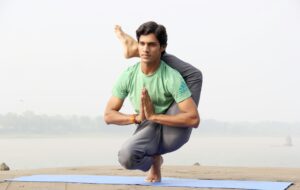
Athletes often push their bodies to the limit. They train hard, compete often, and always look for ways to improve performance. While strength training and cardio play key roles in athletic success, many athletes now turn to yoga to gain an extra edge. Yoga supports both the body and the mind, which makes it a powerful tool for athletes in every sport.
Yoga is more than stretching. It builds strength, improves focus, and helps the body recover faster. As a result, athletes who practice yoga often feel more balanced and prepared for training and competition. Moreover, yoga supports mental clarity, which is just as important as physical strength in sports.
When athletes add yoga to their routine, they often notice better flexibility, fewer injuries, and stronger concentration. Therefore, yoga continues to grow in popularity among runners, basketball players, swimmers, and even professional athletes.
Improved Flexibility and Range of Motion
Flexibility plays a major role in athletic performance. Many sports require quick movements, sudden turns, and extended reaches. Yoga helps athletes stretch muscles safely and in a controlled way. As a result, the body moves more freely during training and competition.
Moreover, yoga encourages athletes to move through full ranges of motion. When joints move properly, the body works more efficiently. For example, a runner with flexible hips often takes longer strides and maintains better posture. Similarly, a swimmer with flexible shoulders moves through the water more easily.
Over time, regular yoga practice improves muscle elasticity. This means muscles can stretch and contract without strain. Consequently, athletes feel less tightness after workouts. In addition, flexibility helps athletes perform movements with better technique and control.
Stronger Muscles and Better Balance
Many people think yoga focuses only on stretching. However, yoga also builds strength. Many yoga poses require athletes to hold positions that activate multiple muscle groups simultaneously. As a result, the body develops balanced strength rather than isolated power.
For instance, poses like plank, warrior, and chair strengthen the core, legs, and arms. These muscles support nearly every athletic movement. Therefore, athletes who practice yoga often develop stronger stabilizing muscles. These muscles help protect joints and maintain balance during movement.
Balance improves through yoga as well. Many poses challenge stability, which trains the body to stay steady under pressure. As a result, athletes gain better body control. This improvement helps in sports such as basketball, soccer, gymnastics, and skiing.
Reduced Risk of Injury
Injuries can interrupt training and slow progress. Fortunately, yoga helps athletes reduce the risk of injury. When muscles remain flexible and balanced, the body handles physical stress more effectively.
Yoga also strengthens smaller stabilizing muscles that many traditional workouts overlook. These muscles protect joints such as knees, hips, and shoulders. Therefore, athletes who practice yoga often experience fewer strains and sprains.
Additionally, yoga teaches athletes to listen to their bodies. Breathing and body awareness play a central role in yoga practice. As a result, athletes learn to recognize early signs of fatigue or tension. This awareness allows them to adjust their training before injuries occur.
Faster Recovery After Training
Recovery is just as important as training. Without proper recovery, muscles remain tight and tired. Yoga helps the body relax and repair itself after intense workouts.
Gentle yoga stretches improve blood circulation throughout the body. When blood flow increases, muscles receive more oxygen and nutrients. Consequently, muscles heal faster and feel less sore.
Moreover, yoga reduces muscle stiffness that often follows hard training sessions. Athletes who stretch and breathe deeply during yoga release built-up tension. Therefore, they return to training with more energy and less discomfort.
Recovery yoga sessions also calm the nervous system. This relaxation supports deeper sleep, which plays a vital role in muscle repair and overall health.
Enhanced Focus and Mental Strength
Athletic success depends on mental strength as much as physical ability. Yoga trains the mind to stay calm, focused, and present. During yoga practice, athletes concentrate on breathing and movement. As a result, they develop stronger mental discipline.
This focus carries over into sports performance. For example, a tennis player must stay calm during a match point. Similarly, a runner must maintain focus during the final miles of a race. Yoga helps athletes stay steady under pressure.
Furthermore, yoga encourages mindfulness. Mindfulness means paying attention to the present moment without distraction. Athletes who practice mindfulness often make quicker decisions and respond better during competition.
Because of these benefits, many professional teams include yoga in their training programs.
Stress Reduction and Emotional Balance
Competitive sports can create stress. Athletes face pressure from coaches, teammates, and fans. Over time, this pressure may lead to anxiety or mental fatigue. Yoga offers a healthy way to manage these challenges.
Deep breathing plays a central role in yoga. Controlled breathing signals the body to relax. As a result, heart rate slows, and tension decreases. This process helps athletes stay calm even in high-pressure situations.
Additionally, yoga promotes emotional balance. Athletes who practice yoga often feel more confident and centered. Therefore, they approach competition with a clear and positive mindset.
Stress relief also improves overall well-being. When athletes feel relaxed and balanced, they perform better both physically and mentally.
Better Breathing and Endurance
Breathing affects athletic endurance. Many athletes breathe quickly or shallowly during intense activity. Yoga teaches athletes how to control their breath more effectively.
During yoga sessions, athletes practice deep breathing techniques. These techniques strengthen the lungs and improve oxygen intake. As a result, the body uses energy more efficiently.
Improved breathing supports endurance in sports such as running, cycling, swimming, and rowing. Athletes who manage their breath well maintain steady energy levels during long events.
Furthermore, breathing exercises help athletes recover quickly during breaks in competition. Controlled breathing slows the heart rate and restores focus.
Stronger Mind Body Connection
The connection between mind and body plays a key role in athletic performance. Yoga strengthens this connection through movement and awareness. Each pose encourages athletes to notice how their bodies feel and respond.
As a result, athletes gain better control over their movements. They become more aware of posture, alignment, and muscle engagement. This awareness leads to improved technique in many sports.
For example, a golfer benefits from better body alignment during a swing. Similarly, a runner benefits from improved posture and stride control. Yoga helps athletes refine these details, which often leads to better performance.
In addition, a strong mind-body connection improves confidence. Athletes trust their abilities because they understand their bodies more deeply.
Long-Term Athletic Longevity
Many athletes want to stay active for years. However, intense training can place heavy stress on the body. Yoga supports long-term athletic health by promoting balance and recovery.
Regular yoga practice protects joints and muscles from excessive wear. Flexible muscles reduce strain on tendons and ligaments. Consequently, athletes maintain mobility as they age.
Moreover, yoga supports healthy posture. Good posture prevents back pain and muscle imbalances. Athletes who maintain proper alignment often avoid chronic injuries.
Yoga also encourages sustainable training habits. Athletes learn when to push harder and when to rest. This balance allows them to enjoy their sport for many years.
Yoga offers many physical and mental benefits for athletes. It improves flexibility, builds balanced strength, and reduces the risk of injury. At the same time, yoga supports faster recovery after training sessions.
However, the benefits go beyond the physical body. Yoga strengthens focus, reduces stress, and improves emotional balance. These mental advantages help athletes stay calm and confident during competition.
Furthermore, yoga improves breathing and strengthens the mind-body connection. These improvements support better performance in many sports. Over time, athletes who practice yoga often enjoy longer and healthier careers.
For these reasons, yoga has become an essential part of many athletic training programs. Whether someone runs marathons, plays team sports, or trains in the gym, yoga offers valuable support for both the body and the mind.