How to Get Into Photography and Build Creative Skills That Last


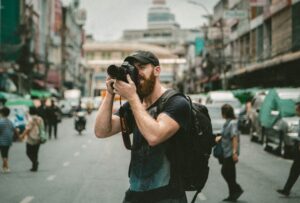
Photography gives you a creative way to tell stories, capture memories, and see the world from a fresh perspective. If you have ever wondered how to get into photography, you already have the curiosity that every great photographer needs. While talent helps, steady practice matters much more. Moreover, you do not need expensive equipment to begin. You only need a willingness to learn and improve every time you pick up a camera. As your skills grow, you will discover new styles, build confidence, and create images that reflect your own unique perspective.
Start with the Right Mindset
Many people believe photography requires costly cameras before they can begin. However, that idea often stops beginners before they even take their first photo. Instead, focus on learning the basics with the equipment you already own. A smartphone or entry-level camera can teach valuable lessons about light, framing, and timing.
Confidence develops through regular practice instead of perfect results. Therefore, allow yourself to make mistakes because every image teaches something new. Review your work after each session and notice what improved and what needs more attention. This simple habit creates steady progress over time.
Choose Equipment That Matches Your Goals
A beginner does not need professional gear to create beautiful photographs. Instead, choose equipment that feels comfortable and fits your budget. Many entry-level cameras offer excellent image quality and simple controls. As your experience grows, you can always upgrade later.
Lenses often make a bigger difference than camera bodies. Therefore, learn what each lens offers before buying more gear. A standard lens works well for many situations, while a prime lens can improve portrait quality. Smart purchases help you build skills rather than collect equipment you rarely use.
Learn How Your Camera Works
Understanding your camera gives you greater creative control. Spend time learning shutter speed, aperture, and ISO because these settings shape every photograph. Although automatic mode helps beginners, manual settings allow you to create the exact look you want.
Read your camera manual and test every feature during practice sessions. Likewise, experiment with different settings under various lighting conditions. You will quickly understand how each adjustment changes the final image. That knowledge makes photography more enjoyable and rewarding.
Understand the Importance of Light
Light shapes every successful photograph. Natural light often creates beautiful images because it produces soft colors and realistic shadows. Therefore, practice shooting in the early morning or late afternoon, when the sunlight is warm and balanced.
Artificial lighting also opens many creative opportunities. Moreover, simple lamps and affordable lighting kits can improve indoor photography. Learn how light changes direction, brightness, and mood. Once you understand lighting, your photos will immediately look stronger and more professional.
Practice Strong Photography Composition
Great photographs depend on thoughtful composition instead of luck. Learning photography composition helps you guide the viewer’s attention toward your subject. Try using the rule of thirds, leading lines, and natural framing to create balanced images. These techniques improve almost every type of photography.
Do not stop after taking one photo. Instead, move around your subject and explore different angles. Likewise, crouch lower or shoot from higher positions to discover fresh perspectives. Small changes often create much stronger photographs than standing in one place.
Explore Different Photography Styles
Photography includes many exciting specialties. Landscape photography captures natural beauty, while portrait photography highlights human emotion. Street photography records everyday life, and wildlife photography celebrates animals in their natural environment. Trying different styles helps you discover what inspires you most.
Do not limit yourself too early. Instead, spend time experimenting with several genres before choosing a favorite. Furthermore, each style teaches valuable skills that improve every other area of photography. The experience you gain becomes part of your creative foundation.
Build Consistent Practice Habits
Practice creates lasting improvement because every photo teaches a lesson. Set aside time each week to photograph different subjects. Although busy schedules make consistency difficult, even short sessions produce steady progress. Regular practice strengthens both technical skills and creative thinking.
Create small personal projects that challenge your abilities. For example, photograph the same location at different times of day or under different lighting conditions. Additionally, focus on one subject for several weeks. Long-term projects reveal growth that single photo sessions often hide.
Learn Basic Editing Techniques
Photography continues after you press the shutter button. Editing helps you improve brightness, contrast, colors, and sharpness without changing the original story. Developing photo-editing skills helps your images look polished while keeping them natural and believable.
Many editing programs offer beginner-friendly tools that make learning simple. Therefore, avoid making extreme adjustments that distract viewers. Instead, focus on small improvements that strengthen your photographs. Careful editing supports your creative vision rather than replacing it.
Study the Work of Great Photographers
Looking at outstanding photography expands your creative ideas. Study famous photographers and modern artists to understand how they use light, color, and composition. Although you should never copy their work, you can learn valuable techniques from their creative choices.
Visit photography websites, galleries, and exhibitions whenever possible. Likewise, read interviews that explain how photographers approach different projects. Understanding their thought process often teaches more than simply viewing finished images. Inspiration grows when you continue learning from others.
Build a Portfolio That Shows Your Growth
A strong portfolio tells your story as a photographer. Rather than including every image, choose only your best work. Quality always matters more than quantity because viewers remember excellent photographs instead of average ones. Regular updates keep your portfolio fresh and relevant.
Organize your images into clear categories that reflect your interests. Furthermore, remove older photos as your skills improve. A carefully selected collection demonstrates your progress and creative direction. Whether you share your work online or in person, a polished portfolio creates a lasting impression.
Turn Your Passion into Long-Term Success
Photography rewards patience, creativity, and dedication. While fast improvement feels exciting, lasting success comes from continuous learning. Keep exploring new subjects, practicing different techniques, and challenging yourself with fresh projects. Every experience adds another layer to your creative journey.
As you continue learning about photography, remember that every professional once started as a beginner. Therefore, enjoy each step of the process instead of chasing perfection. Stay curious, practice consistently, and celebrate your progress. Over time, your confidence, technical ability, and artistic vision will grow together, allowing you to create meaningful photographs that tell powerful stories.