Essential Multi-Day Hike Gear: What to Pack for Comfort and Safety


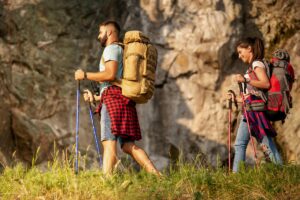
Planning a long trek requires more than enthusiasm and strong legs. The right Multi-Day Hike Gear helps you stay comfortable, safe, and prepared for changing trail conditions. Whether you plan to hike through forests, mountains, or desert terrain, your gear choices can make the difference between a great adventure and a difficult experience. Therefore, careful planning should always come before stepping onto the trail.
Many hikers focus on distance and route planning, yet they often overlook the importance of proper equipment. A well-balanced packing list supports your physical comfort while also protecting you from weather, injuries, and unexpected situations. As a result, understanding what to bring on a multi-day trip helps you enjoy the journey while reducing unnecessary risks.
Choosing the Right Backpack
A quality backpack serves as the foundation of your hiking setup. Since you will carry your belongings for several days, comfort and fit matter greatly. Look for a backpack that matches the length of your trip and provides enough space for food, water, clothing, and shelter. In addition, padded shoulder straps and a supportive hip belt help distribute weight evenly across your body.
Many hikers choose packs between 40 and 70 liters for multi-day adventures. However, the ideal size depends on your gear and the climate you expect to encounter. Before your trip, test the backpack with a full load and adjust the straps properly. This simple step can prevent soreness and improve comfort throughout your hike.
Shelter for Protection and Rest
Your shelter protects you from the weather and provides a place to recover after a long day on the trail. Lightweight tents remain a popular choice because they offer reliable protection while keeping pack weight manageable. Furthermore, modern backpacking tents provide excellent ventilation and weather resistance without adding excessive bulk.
Some hikers prefer alternatives such as hammocks or bivy sacks, depending on the environment. Regardless of your choice, ensure your shelter suits the expected conditions. Rain, wind, and temperature changes can occur quickly in the wilderness. Therefore, dependable shelter remains one of the most important pieces of gear for multi-day trekking.
Sleeping Gear for Recovery
Good sleep supports energy, focus, and overall hiking performance. A quality sleeping bag designed for the expected temperature range helps keep you warm throughout the night. At the same time, choosing a lightweight model helps reduce the overall weight of your pack.
A sleeping pad also plays a critical role in recovery. Besides providing cushioning, it adds insulation between your body and the cold ground. Consequently, combining a suitable sleeping bag with a comfortable sleeping pad creates a more restful sleeping environment and prepares you for the next day’s hike.
Clothing for Changing Conditions
Weather conditions can change quickly during a multi-day trek. Therefore, layering remains one of the most effective clothing strategies. Start with a moisture-wicking base layer that helps keep sweat away from your skin. Then add an insulating layer for warmth and a waterproof outer shell for protection from rain and wind.
Avoid cotton whenever possible because it absorbs moisture and dries slowly. Instead, choose synthetic or wool materials that maintain comfort in various conditions. Additionally, pack extra socks and underwear to stay clean and reduce the risk of blisters. Proper clothing improves comfort while helping regulate body temperature throughout the journey.
Food and Water Essentials
Nutrition plays a major role in maintaining energy during extended hikes. High-calorie foods such as trail mix, energy bars, dehydrated meals, and nut butter provide sustained fuel without adding excessive weight. Moreover, planning meals helps prevent overpacking while ensuring adequate nutrition.
Water management requires equal attention. Carry enough water capacity for your route and bring a reliable filtration or purification system. Natural water sources may appear clean, yet they can contain harmful microorganisms. Therefore, treating water before drinking helps protect your health and keeps your adventure on track.
Navigation and Communication Tools
Even well-marked trails can become confusing under certain conditions. A detailed map and compass provide dependable navigation options that do not rely on batteries. While many hikers use GPS devices or smartphone apps, traditional navigation tools remain valuable backups.
Communication devices can also improve safety during remote trips. Personal locator beacons and satellite messengers allow hikers to send emergency signals when cellular service is unavailable. As a result, carrying navigation and communication equipment provides extra confidence when exploring unfamiliar areas.
Safety and Emergency Equipment
Every backpacking gear checklist should include safety supplies. A first aid kit allows you to address common issues such as cuts, blisters, and minor injuries. Additionally, carrying medications and personal health items helps ensure you remain prepared throughout the trip.
Emergency equipment deserves equal consideration. A headlamp with extra batteries, an emergency blanket, and a fire-starting tool can prove invaluable during unexpected situations. Although you may never need these items, they provide critical support when conditions become challenging. Therefore, never leave essential safety gear behind.
Cooking Equipment and Camp Comfort
Preparing warm meals can boost morale and provide important nutrition after a long day of hiking. Lightweight backpacking stoves offer an efficient way to cook food and boil water. Furthermore, compact cookware allows you to prepare meals without adding excessive weight to your pack.
Comfort items can also enhance the overall experience. While every ounce matters, small additions such as a lightweight camp pillow or compact camp chair may improve rest. However, balance remains important. Choose comfort items carefully so they do not compromise mobility or pack efficiency.
Managing Pack Weight
Many hikers make the mistake of carrying unnecessary gear. While preparation is important, excessive weight can increase fatigue and reduce enjoyment. Therefore, review every item before your trip and determine whether it serves a clear purpose.
Lightweight equipment has become increasingly popular because it improves efficiency on the trail. Nevertheless, reducing weight should never come at the expense of safety. Focus on eliminating unnecessary items while maintaining the essentials. This approach creates a better balance between comfort, safety, and performance.
Preparing Before the Trail
Even the best outdoor hiking equipment cannot replace proper preparation. Before leaving, test your gear on shorter hikes to identify potential issues. This practice helps you become familiar with your equipment while ensuring everything functions correctly.
Preparation also includes checking weather forecasts, understanding trail conditions, and sharing your itinerary with someone you trust. In addition, reviewing emergency procedures provides valuable peace of mind. When preparation and proper gear work together, your hiking experience becomes safer and more enjoyable.