Essential Cross-Country Skiing Equipment for a Safe and Enjoyable Experience


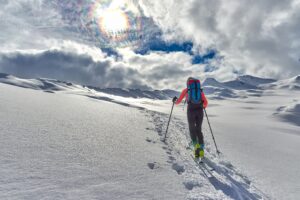
Cross-country skiing is a rewarding winter activity that combines exercise, adventure, and a connection with nature. Whether you are gliding across groomed trails or exploring snowy backcountry routes, having the right cross-country skiing equipment is essential for comfort, safety, and performance. Understanding what equipment is used for cross-country skiing can help beginners and experienced skiers choose gear that matches their skill level and preferred skiing style.
Choosing the Right Cross-Country Skis
Cross-country skis are the foundation of the sport. Unlike downhill skis, they are lighter, narrower, and designed for movement across flat or rolling terrain. The type of ski you choose depends on your preferred technique.
Classic skis are ideal for beginners and are designed for parallel tracks found on groomed trails. These skis typically feature a grip zone beneath the foot to help skiers move forward without slipping backward.
Skate skis are shorter and stiffer than classic skis. They are designed for a skating motion that resembles ice skating and require wider, groomed trails. Skate skiing offers a faster and more intense workout but often demands more skill and balance.
Backcountry skis are wider and more durable, making them suitable for ungroomed terrain and deeper snow. These skis provide additional stability and are often used for touring and exploring remote areas.
Selecting the proper ski length is important because it affects speed, control, and efficiency. Factors such as height, weight, and skill level determine the best ski size.
Understanding Ski Bindings
Bindings connect the boots to the skis and play a major role in comfort and performance. Cross-country ski bindings allow the heel to lift freely while keeping the toe securely attached to the ski.
Several binding systems are available, and compatibility between boots and bindings is essential. Modern systems are designed to provide excellent stability and efficient power transfer. Before purchasing equipment, skiers should ensure that their boots match the selected binding type.
Finding the Right Ski Boots
Cross-country ski boots are lightweight, flexible, and designed to support natural movement. The right boots should fit snugly without causing discomfort.
Classic ski boots are softer and more flexible to support the forward motion used in classic skiing. Skate ski boots offer additional ankle support and a stiffer sole for greater control during side-to-side movements.
Backcountry boots are built for durability and warmth. They often feature enhanced insulation and stronger materials to handle rough terrain and changing weather conditions.
Properly fitted boots improve comfort and reduce the risk of blisters or foot fatigue during long outings.
The Importance of Ski Poles
Ski poles help maintain balance, generate forward momentum, and improve overall efficiency. The ideal pole length depends on the skiing technique.
Classic ski poles are generally shorter and reach approximately shoulder height. Skate ski poles are longer and typically extend to around chin or nose level to maximize power.
Most modern poles are made from lightweight materials such as aluminum, fiberglass, or carbon fiber. Lightweight poles reduce fatigue and improve performance, especially during extended sessions. Pole straps and ergonomic grips also contribute to comfort and control while skiing.
Wearing the Right Clothing
Appropriate clothing is just as important as the skiing equipment itself. Cross-country skiing is an active sport that generates body heat, so layering is the best approach.
A moisture-wicking base layer helps keep sweat away from the skin. An insulating mid-layer provides warmth, while a wind-resistant outer layer protects against cold air and snow.
Skiers should avoid heavy or bulky clothing because it can restrict movement and lead to overheating. Breathable fabrics offer better temperature regulation and enhance overall comfort.
Accessories such as gloves, hats, neck gaiters, and thermal socks help protect exposed areas from cold temperatures.
Protective Gear and Safety Essentials
Although cross-country skiing is generally considered a low-risk sport, safety equipment remains important. Sunglasses or goggles protect the eyes from bright sunlight, wind, and snow glare.
Sunscreen is recommended because ultraviolet rays can be intense during winter, especially when reflected by snow-covered surfaces.
Hydration packs or insulated water bottles help skiers stay hydrated during long outings. Carrying a small backpack with snacks, a trail map, and a basic first-aid kit is beneficial, particularly for backcountry adventures.
Some skiers also choose to wear helmets when skiing on challenging terrain or in areas with steep descents.
Ski Maintenance Equipment
Maintaining cross-country skiing equipment helps improve performance and extend the life of the gear. Ski wax is one of the most important maintenance products.
Classic skis may require grip wax or kick wax to improve traction, while glide wax helps reduce friction and increase speed. Waxless skis are available for those who prefer minimal maintenance.
Additional tools, such as scrapers, brushes, and wax irons, help keep skis in excellent condition throughout the season.
Proper storage is equally important. Skis should be cleaned and stored in a cool, dry place when not in use.
Selecting Equipment for Your Skiing Goals
Choosing the right cross-country skiing equipment depends on your experience level, terrain preferences, and skiing objectives. Beginners often benefit from classic skis, comfortable boots, and lightweight poles because they offer a stable and easy introduction to the sport.
More advanced skiers may prefer specialized gear designed for speed, endurance, or backcountry exploration. Investing in high-quality equipment can improve performance and make each skiing experience more enjoyable.
With the proper skis, boots, bindings, poles, clothing, and maintenance tools, cross-country skiing becomes a comfortable and exciting way to stay active throughout the winter season.