Mastering Swimming: Essential Skills Every Beginner Should Know


Swimming is more than just a recreational activity—it is a life-saving skill and an excellent form of exercise. While it may seem simple at first glance, effective swimming requires mastering several fundamental skills. Beginners often underestimate the importance of these basics, yet developing them early can make learning easier and safer. From breathing techniques to floating, these skills form the foundation for building confidence and proficiency in the water.
Breath Control and Rhythmic Breathing
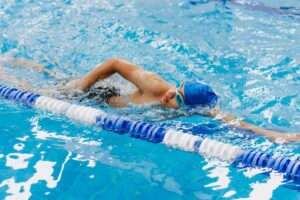
One of the most crucial skills in swimming is learning how to control your breath. Beginners often panic when their faces are submerged, making it difficult to maintain balance and momentum. By practicing rhythmic breathing, swimmers can synchronize their inhales and exhales with their strokes, allowing them to move smoothly without exhaustion. For instance, freestyle swimmers typically exhale underwater and turn their head to inhale, creating a continuous flow of oxygen. Consistent practice of this skill not only improves endurance but also reduces anxiety, which is essential for a safe swimming experience.
Moreover, breath control is closely tied to body position and stroke efficiency. A swimmer who inhales and exhales correctly can maintain a streamlined posture, reducing drag and moving faster. Additionally, rhythmic breathing helps conserve energy during longer swimming sessions. Therefore, focusing on breath control from the very beginning ensures that swimmers develop a natural rhythm, making other swimming techniques easier to master.
Floating and Body Position
Floating is the foundation of swimming because it teaches balance and buoyancy. A beginner must first feel comfortable keeping their body afloat without resistance. By practicing both front and back floating, swimmers learn how to distribute their weight evenly and relax in the water. Transitioning between floating positions also builds confidence, as it shows that the body can naturally stay on the surface without constant effort. This skill is essential for both safety and efficiency, allowing swimmers to rest whenever necessary without struggling to stay above water.
Proper body position goes hand in hand with floating. Keeping the head in line with the spine and the hips near the surface minimizes drag and increases propulsion. Swimmers who maintain a streamlined posture experience smoother strokes and quicker progress. Consequently, mastering floating and body position early enhances overall technique and makes learning strokes like freestyle and backstroke more intuitive. Practice and consistent feedback from an instructor or a coach can accelerate this development, reinforcing good habits that last a lifetime.
Kicking Techniques
Effective kicking is a major contributor to propulsion in swimming. Beginners often kick too hard or too weakly, which can disrupt balance and slow progress. Learning the correct flutter kick or dolphin kick allows swimmers to generate momentum while maintaining stability. Moreover, controlled kicking improves coordination with arm movements, ensuring that each stroke is both powerful and efficient. Practicing with a kickboard can help beginners isolate leg movements and develop muscle memory.
In addition, strong kicking supports endurance and speed. By engaging core muscles and keeping the legs straight but relaxed, swimmers can maintain a consistent rhythm without tiring too quickly. Coordinated kicking also prevents the lower body from sinking, which is essential for sustaining proper body alignment. Therefore, developing solid kicking techniques early not only enhances movement but also lays the groundwork for mastering advanced strokes and turns.
Arm Strokes and Coordination
Arm movements are the primary source of propulsion in most swimming styles. Beginners must focus on proper hand placement, stroke length, and timing to maximize efficiency. For example, in freestyle, the hand should enter the water just in front of the shoulder and pull through smoothly, followed by a quick recovery above water. Practicing arm strokes consistently helps swimmers build muscle memory and reduces unnecessary resistance in the water.
Furthermore, coordinating arm movements with breathing and kicking is critical for overall swimming success. Synchronized strokes allow for a steady pace and prevent fatigue, while improper coordination can lead to imbalance and energy waste. By gradually integrating arm strokes with previously learned skills such as floating and kicking, beginners can develop a fluid, natural swimming style. This integration not only improves performance but also enhances confidence, encouraging swimmers to tackle longer distances safely.
Safety Awareness and Water Confidence
Beyond physical techniques, swimming requires awareness and respect for water safety. Beginners should learn to recognize their limits and practice swimming in controlled environments first. By gradually increasing comfort in deeper water, swimmers build confidence and reduce the risk of panic. Safety awareness includes understanding lifeguard signals, avoiding hazardous areas, and knowing how to float or tread water in emergencies.
Water confidence also promotes relaxation and efficiency. A swimmer who feels comfortable is less likely to tense up, which allows for smoother movements and better breath control. Moreover, confidence enables swimmers to try new strokes and refine their skills without fear. Therefore, combining technical training with safety education ensures a balanced approach that fosters both competence and enjoyment in the water.