Essential Hiking Equipment List for Every Adventure


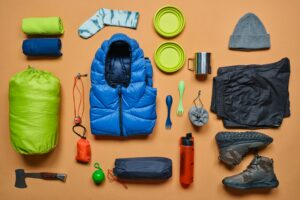
Hiking opens the door to fresh air, scenic trails, and unforgettable outdoor experiences, but every successful trip begins with the right hiking equipment. Whether you plan a short day hike or a multi-day backcountry journey, your hiking equipment directly affects safety, comfort, and performance. Therefore, choosing reliable gear and packing with intention can turn a challenging trail into a rewarding adventure. In this guide, you will discover the essential hiking equipment every outdoor enthusiast needs, along with practical insights to help you prepare with confidence.
Choosing the Right Hiking Backpack
A high-quality backpack forms the foundation of your hiking equipment. First, you need a pack that matches the length of your trip. Day hikes require smaller packs of 15-30 liters, while overnight adventures demand larger capacities. In addition, the pack should fit your torso length and distribute weight evenly across your hips and shoulders. When your backpack fits properly, you reduce strain and maintain better posture on the trail.
Moreover, durable materials and strong zippers increase reliability in rough terrain. Look for padded shoulder straps, adjustable hip belts, and breathable back panels. These features improve airflow and minimize sweat buildup during long climbs. As a result, you can hike longer distances without discomfort. A dependable backpack not only carries your hiking equipment but also supports your overall endurance.
Supportive Hiking Boots and Footwear
Footwear stands as one of the most critical pieces of hiking equipment. Because trails often include uneven terrain, rocks, and mud, you need boots that provide stability and traction. Waterproof hiking boots protect your feet from moisture, while sturdy soles grip slippery surfaces. Consequently, you reduce the risk of slips and injuries.
In addition, a proper fit prevents blisters and foot fatigue. Always try on boots with hiking socks to ensure comfort during long walks. Break in your boots before heading out on a major trip. Furthermore, consider trail runners for lighter hikes if speed and flexibility matter more than ankle support. With the right footwear, your hiking equipment setup becomes both safe and efficient.
Weather-Appropriate Clothing Layers
Clothing plays a vital role in your hiking equipment strategy. Since weather conditions can shift quickly, layering allows you to adapt without overheating or freezing. Start with a moisture-wicking base layer that pulls sweat away from your skin. Then, add an insulating layer, such as fleece or lightweight down, to retain body heat.
Finally, a waterproof and windproof outer shell shields you from rain and strong winds. Avoid cotton because it traps moisture and increases discomfort. Instead, choose synthetic or merino wool fabrics that dry quickly. As conditions change, you can easily add or remove layers. Therefore, layered clothing ensures comfort while keeping your hiking equipment lightweight and practical.
Navigation Tools for Safe Travel
Reliable navigation tools remain essential hiking equipment for every adventure. Even if you hike on marked trails, you should carry a physical map and compass. Technology can fail, but traditional navigation tools work without batteries. Consequently, they offer a dependable backup system in remote areas.
At the same time, GPS devices and smartphone apps add convenience and accuracy. Download offline maps before your trip to avoid signal issues. Furthermore, always inform someone about your planned route and expected return time. When you combine digital and traditional tools, your hiking equipment setup enhances safety and peace of mind.
Hydration Systems and Water Filtration
Staying hydrated supports energy, focus, and endurance. Therefore, water storage and filtration are critical parts of your hiking equipment. Hydration reservoirs allow hands-free drinking, while reusable water bottles offer durability and easy refills. Choose a system that fits comfortably in your backpack.
For longer hikes, natural water sources may serve as refilling points. However, untreated water can contain harmful bacteria and parasites. Portable water filters or purification tablets effectively remove contaminants. As a result, you reduce health risks while maintaining hydration. Proper hydration planning ensures your hiking equipment supports both safety and performance.
Essential Nutrition and Food Storage
Nutritious food fuels your body and keeps your energy levels steady. Lightweight, high-calorie snacks such as trail mix, energy bars, and dried fruit work well for day hikes. Additionally, balanced meals with carbohydrates, protein, and healthy fats help sustain longer trips. When planning meals, calculate portions carefully to avoid unnecessary weight gain.
Food storage also plays a critical role in your hiking equipment setup. In areas with wildlife, use bear-resistant containers to protect your supplies. Furthermore, store food securely away from your sleeping area during overnight trips. Smart food planning strengthens your hiking equipment strategy and supports a smooth outdoor experience.
First Aid and Emergency Preparedness
Every hiking equipment list must include a well-stocked first aid kit. Minor injuries, such as blisters and cuts, can escalate quickly if ignored. Therefore, pack bandages, antiseptic wipes, blister treatment, and pain relievers. Additionally, include any personal medications you may need during the hike.
Emergency gear adds another layer of safety. A whistle, headlamp, multi-tool, and emergency blanket provide critical support in unexpected situations. Moreover, fire-starting tools can prove lifesaving in cold or wet environments. By preparing for emergencies, you transform your hiking equipment from basic gear into a comprehensive safety system.
Shelter and Sleeping Gear for Overnight Trips
For multi-day hikes, shelter becomes essential hiking equipment. Lightweight tents, bivy sacks, or hammocks protect from weather and insects. Choose a shelter that balances durability and packability. As a result, you maintain comfort without overloading your backpack.
Sleeping gear also affects recovery and overall performance. A compact sleeping bag rated for the expected temperature keeps you warm at night. Additionally, a sleeping pad offers insulation and cushioning from the ground. Quality rest allows you to start each day energized. Therefore, shelter and sleeping systems complete your hiking equipment collection for extended adventures.
Trekking Poles and Additional Accessories
Trekking poles enhance balance and reduce strain on your knees. During steep climbs and descents, they provide extra support and improve stability. Consequently, many hikers consider them indispensable hiking equipment. Adjustable poles allow customization based on terrain and personal height.
Other accessories also contribute to comfort and efficiency. Sunglasses protect your eyes from harmful UV rays, while sunscreen shields your skin. Insect repellent reduces discomfort in wooded areas. Moreover, a lightweight hat and gloves add protection in changing weather conditions. Thoughtful accessories elevate your hiking equipment from basic to fully optimized.