Glide Through Winter: Your Guide to Essential Cross Country Skiing Equipment


Cross-country skiing offers a unique way to explore snowy landscapes while engaging the entire body in a full-body cardio workout. Unlike downhill skiing, this activity emphasizes rhythm, balance, and endurance, allowing skiers to move across flat and rolling terrain at a steady pace. Success and enjoyment depend on having the right equipment, which improves comfort, efficiency, and safety on the trail. Understanding the gear essentials helps beginners and experienced skiers alike prepare for a rewarding winter experience. By selecting the proper skis, boots, poles, clothing, and accessories, skiers can glide confidently and make the most of every outing.
Skis: The Heart of Cross Country Skiing
Skis form the foundation of cross-country skiing and directly influence movement and control. Classic skis are long, lightweight, and flexible, making them ideal for groomed tracks and the traditional diagonal stride technique. Skate skis, on the other hand, are shorter and stiffer, designed for lateral motion across firm, packed snow: ski length, width, and stiffness influence glide, balance, and maneuverability. Choosing the right pair allows skiers to conserve energy, maintain proper posture, and enjoy a smooth ride across a variety of terrain. As experience grows, skiers learn to match ski performance to technique and trail conditions.
Bindings and Boots: The Essential Connection
Bindings and boots connect the skier to the skis while allowing the natural rolling motion of the foot. Modern bindings secure boots but remain flexible enough to support efficient strides. Boots provide warmth, stability, and ankle freedom of movement. Comfort is critical, as cold or poorly fitted boots can reduce mobility and decrease enjoyment. Selecting compatible boots and bindings ensures proper energy transfer, stability, and control, especially when navigating turns or climbs. With well-fitted equipment, skiers gain confidence and reduce the risk of fatigue or injury on longer outings.
Poles: Power and Stability
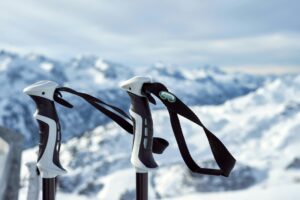
Poles play a vital role in cross-country skiing, providing propulsion, rhythm, and balance. Longer poles offer greater forward momentum and help on climbs, while shorter poles allow better maneuverability in technical areas or tighter trails. Proper use of poles engages the upper body, including arms, shoulders, and core, which enhances endurance and overall performance. Grips and straps provide control, reduce hand fatigue, and help maintain proper posture. Poles also improve balance on uneven snow and give skiers added confidence when gliding at faster speeds. Correct pole technique increases efficiency and allows skiers to cover longer distances with less effort.
Clothing: Layering for Comfort and Performance
Clothing plays a critical role in comfort and mobility during cross-country skiing. Layering allows skiers to manage body temperature in cold conditions while accommodating high levels of activity. A moisture-wicking base layer keeps sweat away from the skin, while an insulating mid-layer provides warmth. Outer layers protect against wind, snow, and moisture while allowing freedom of movement. Accessories such as gloves, hats, and neck gaiters protect extremities from frostbite and maintain dexterity for pole handling. Breathable, flexible materials allow full motion and comfort, which enhances endurance and enjoyment on the trail.
Safety and Performance Accessories
Even on well-maintained trails, safety and performance accessories enhance the skiing experience. Sunglasses or goggles protect eyes from glare, wind, and snow, while sunscreen shields exposed skin. Hydration packs and small backpacks allow skiers to carry water, snacks, or extra layers. Wax or glide aids optimize ski performance, improving speed and reducing effort. Carrying essential tools and knowing how to use them ensures safety, comfort, and efficiency, especially on longer or remote routes. These accessories complement primary equipment, making skiing more reliable and enjoyable.
Trail Awareness and Etiquette
Knowledge of trail conditions and etiquette is essential for a safe and positive experience. Trails vary in difficulty, snow quality, and grooming, so checking reports beforehand helps skiers plan their routes effectively. Observing trail etiquette, yielding when appropriate, and staying on designated paths maintains trail quality and promotes positive interactions with other skiers. Combining preparation with proper equipment allows skiers to navigate trails safely, maximize efficiency, and preserve natural areas for future recreation.
Selecting Gear for Your Experience Level
Choosing gear appropriate to skill level enhances learning, comfort, and performance. Beginners benefit from lightweight, flexible skis and comfortable boots that support balance and experimentation with technique. Intermediate skiers often prefer performance-oriented skis and stiffer boots for improved control and efficiency. Advanced skiers may choose specialized racing skis and poles optimized for speed and endurance. Matching equipment to ability reduces fatigue, increases confidence, and allows skiers to focus on improving their skills while enjoying their time on the trail.
Equipment Maintenance
Maintaining cross-country skiing equipment ensures safety, longevity, and consistent performance. Skis require regular inspection, waxing, and proper storage to prevent damage or warping. Poles and bindings should be checked for wear and secure connections, while boots should be cleaned and dried to preserve insulation and comfort. Clothing care maintains breathability, flexibility, and warmth. Routine maintenance helps prevent equipment failure and improves overall experience, ensuring each outing is safe, comfortable, and efficient.
Cross-country skiing combines endurance, skill, and the joy of exploring winter landscapes. Using the right equipment—from skis, boots, and bindings to poles, clothing, and accessories—ensures comfort, performance, and safety. Preparing gear for your skill level, properly maintaining it, and understanding trail conditions maximize both enjoyment and efficiency. With well-selected equipment, skiers can glide confidently, navigate varied terrain, and fully embrace the beauty of winter trails. Investing in essential gear allows enthusiasts to experience cross-country skiing at its best, making every journey memorable and rewarding.