How Yoga Enhances Athletic Performance, Strength, and Mental Focus


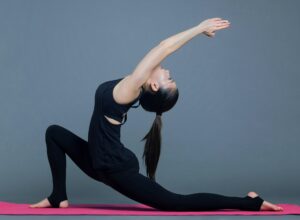
Athletes today train harder than ever, yet many still search for ways to move better, recover faster, and stay mentally sharp under pressure. Yoga has quietly become one of the most effective tools for achieving these goals. While some athletes once viewed yoga as too gentle or slow, many now recognize it as a powerful practice that supports both physical performance and mental resilience. By combining controlled movement, mindful breathing, and focused attention, yoga helps athletes build stronger bodies and calmer minds.
Improved flexibility and joint mobility for athletic movement
One of the most obvious benefits of yoga for athletes is improved flexibility, yet the impact goes far beyond simply touching your toes. Yoga encourages muscles to lengthen while staying active, which helps joints move through a fuller and safer range of motion. As a result, athletes often feel smoother and more efficient during training and competition. When your hips, shoulders, and spine move freely, your body can produce force with less strain.
At the same time, yoga builds awareness around movement quality. Instead of forcing stretches, athletes learn to respect their limits and breathe through tension. This mindful approach reduces stiffness without overstretching, which is especially important for athletes who already place high demands on their bodies. Over time, better mobility supports improved technique, cleaner mechanics, and a lower risk of movement-related injuries.
Greater strength through controlled and balanced movement
Although yoga does not rely on heavy weights, it builds functional strength that directly benefits athletic performance. Many yoga poses require athletes to support their own body weight while maintaining control and alignment. This process strengthens stabilizing muscles that traditional training sometimes overlooks. As a result, athletes often notice improved balance and coordination during sport-specific actions.
In addition, yoga promotes balanced muscle development. For example, it helps counteract tightness and dominance in certain muscle groups caused by repetitive training. When strength is more evenly distributed, the body moves as a connected system rather than as isolated parts. This balance not only enhances performance but also supports long-term durability, which every athlete values.
Faster recovery and reduced injury risk
Recovery plays a critical role in athletic success, yet many athletes struggle to give it the attention it deserves. Yoga supports recovery by increasing blood flow, releasing muscular tension, and calming the nervous system. Gentle flows and restorative poses encourage the body to shift out of constant stress mode and into a state where healing can occur more efficiently.
Furthermore, yoga helps athletes recognize early signs of fatigue or imbalance. Because the practice emphasizes body awareness, athletes become more attuned to subtle discomfort before it turns into injury. Over time, this awareness supports smarter training decisions and more consistent performance. While yoga cannot prevent every injury, it creates conditions that help athletes stay healthier for longer.
Better posture and breathing efficiency
Posture and breathing often receive little attention in athletic training, yet they influence nearly every movement. Yoga improves posture by strengthening the muscles that support the spine while also releasing areas of chronic tightness. As posture improves, athletes experience better alignment during both training and daily activities.
At the same time, yoga emphasizes breath control. Athletes learn to breathe deeply and efficiently, even during challenging poses. This skill transfers directly to sport, where controlled breathing can improve endurance and delay fatigue. When breathing becomes more efficient, oxygen delivery improves, and energy levels feel more stable throughout performance.
Reduced stress and improved emotional balance
Athletes face unique stressors, including performance expectations, competition anxiety, and demanding schedules. Yoga offers practical tools for healthily managing these pressures. Through mindful movement and breathing, the practice activates the relaxation response, which helps lower stress hormones.
Over time, regular yoga practice supports emotional balance and resilience. Athletes often report feeling calmer before competitions and more grounded after challenging performances. This emotional stability allows them to enjoy their sport more fully while also maintaining motivation and confidence. As a result, yoga becomes not just a physical practice but a valuable mental reset.
Stronger mind-body connection for peak performance
One of yoga’s most valuable benefits for athletes is the development of a strong mind-body connection. During yoga, athletes learn to listen closely to physical cues and adjust accordingly. This skill transfers directly to training and competition, where awareness can improve timing, precision, and control.
When athletes feel more connected to their bodies, they often move with greater efficiency and confidence. Instead of fighting against fatigue or discomfort, they learn how to work with their bodies intelligently. This connection supports consistent performance and helps athletes adapt to changing conditions with ease.
Improved confidence and body awareness
Confidence in sport often comes from trust in your body. Yoga helps build this trust by encouraging athletes to explore challenging positions in a controlled and supportive environment. As they progress, athletes gain confidence in their strength, balance, and adaptability.
In addition, yoga promotes positive body awareness rather than judgment. Athletes learn to appreciate what their bodies can do, even on days when performance feels limited. This mindset supports long-term motivation and reduces the risk of burnout. With greater self-awareness, athletes approach both training and competition with a healthier perspective.
How athletes can integrate yoga into training routines
Integrating yoga into an athletic routine does not require dramatic changes. Many athletes benefit from short sessions focused on mobility and recovery after intense workouts. Others prefer longer sessions on rest days to support flexibility and mental reset. The key is consistency rather than intensity.
Yoga styles can also vary depending on athletic goals. Dynamic flows support strength and coordination, while slower practices emphasize recovery and relaxation. By choosing the right approach, athletes can use yoga as a flexible tool that adapts to their training cycle. Over time, even modest practice can produce meaningful results.
Why yoga supports long-term athletic success
Athletic careers often depend on the ability to train consistently over many years. Yoga supports this goal by promoting balance, awareness, and sustainable movement patterns. Rather than pushing the body to extremes, yoga encourages intelligent effort paired with recovery.
As athletes age or face changes in performance, yoga continues to offer benefits. It adapts to different stages of training and helps athletes maintain mobility and mental clarity. Because of this adaptability, yoga remains a valuable companion throughout an athlete’s journey, from early development to long-term performance.